

Insulating safety shoes are a crucial piece of personal protective equipment (PPE) in many work environments, especially those where there is a risk of electrical hazards. As a leading supplier of insulating safety shoes, I understand the importance of the sole material in ensuring the safety and comfort of the wearer. In this blog post, I will delve into the various sole materials used in insulating safety shoes, their properties, and how they contribute to the overall performance of the shoes.
The Role of the Sole in Insulating Safety Shoes
The sole of an insulating safety shoe serves several important functions. Firstly, it provides electrical insulation, which is the primary purpose of these shoes. Electrical insulation helps prevent electric current from passing through the shoe to the wearer's body, reducing the risk of electric shock. Secondly, the sole offers traction, which is essential for preventing slips and falls in the workplace. Good traction is particularly important in environments where the floors may be wet, oily, or slippery. Thirdly, the sole provides cushioning and support, which helps reduce fatigue and discomfort during long periods of standing or walking.
Common Sole Materials Used in Insulating Safety Shoes
Rubber
Rubber is one of the most commonly used sole materials in insulating safety shoes. It is known for its excellent electrical insulation properties, high traction, and durability. Rubber soles can be made from natural rubber or synthetic rubber compounds. Natural rubber offers good elasticity and flexibility, making it comfortable to wear. Synthetic rubber, on the other hand, can be engineered to have specific properties such as oil resistance, heat resistance, and static dissipation.
One of the advantages of rubber soles is their ability to conform to the shape of the foot, providing a snug fit. This helps improve comfort and reduces the risk of blisters and other foot problems. Rubber soles are also resistant to abrasion, which means they can withstand the rigors of daily use in various work environments. However, rubber soles can be relatively heavy compared to some other materials, which may be a drawback for some users.
Polyurethane (PU)
Polyurethane is another popular sole material for insulating safety shoes. It is a synthetic polymer that offers a combination of excellent electrical insulation, high abrasion resistance, and lightweight properties. PU soles are known for their durability and flexibility, making them suitable for a wide range of work applications.
One of the key benefits of PU soles is their low density, which makes the shoes lighter and more comfortable to wear. This is particularly important for workers who are on their feet for long periods of time. PU soles also have good chemical resistance, which means they can withstand exposure to various chemicals and solvents. Additionally, PU soles offer good traction on both wet and dry surfaces, reducing the risk of slips and falls.
Thermoplastic Rubber (TPR)
Thermoplastic rubber is a material that combines the properties of rubber and plastic. It is a hybrid material that offers the flexibility and elasticity of rubber with the processability and durability of plastic. TPR soles are commonly used in insulating safety shoes due to their excellent electrical insulation, traction, and lightweight properties.
One of the advantages of TPR soles is their ability to be molded into different shapes and designs, which allows for greater flexibility in shoe design. TPR soles are also resistant to abrasion and have good chemical resistance, making them suitable for use in harsh work environments. Additionally, TPR soles are relatively easy to clean and maintain, which is an important consideration for many workers.
PVC (Polyvinyl Chloride)
PVC is a widely used plastic material that is also used in the production of insulating safety shoe soles. PVC soles offer good electrical insulation, low cost, and ease of production. They are commonly used in entry-level safety shoes and are suitable for light-duty work applications.
One of the benefits of PVC soles is their affordability, which makes them a popular choice for budget-conscious buyers. PVC soles are also resistant to water and some chemicals, which makes them suitable for use in wet or dirty environments. However, PVC soles can be relatively stiff and may not provide the same level of comfort and flexibility as rubber or PU soles.
Factors to Consider When Choosing the Sole Material
When choosing the sole material for insulating safety shoes, there are several factors to consider. These include:
Electrical Insulation
The primary function of insulating safety shoes is to provide electrical insulation. Therefore, it is important to choose a sole material that has good electrical insulation properties. Look for soles that are certified to meet the relevant electrical safety standards, such as ASTM F2413 or EN 50321.
Traction
Traction is another important factor to consider, especially in work environments where slips and falls are a common hazard. Choose a sole material that offers good traction on both wet and dry surfaces. Look for soles with deep grooves and patterns that can provide better grip.
Durability
Insulating safety shoes are often subjected to harsh working conditions, so it is important to choose a sole material that is durable and can withstand wear and tear. Look for soles that are made from high-quality materials and have a good reputation for durability.
Comfort
Comfort is crucial when it comes to safety shoes, especially if you are going to be wearing them for long periods of time. Choose a sole material that provides good cushioning and support to reduce fatigue and discomfort. Look for soles that are flexible and can conform to the shape of your foot.
Chemical Resistance
If you work in an environment where you are exposed to chemicals or solvents, it is important to choose a sole material that is resistant to these substances. Look for soles that are made from materials such as PU or TPR, which have good chemical resistance.
Our Insulating Safety Shoes
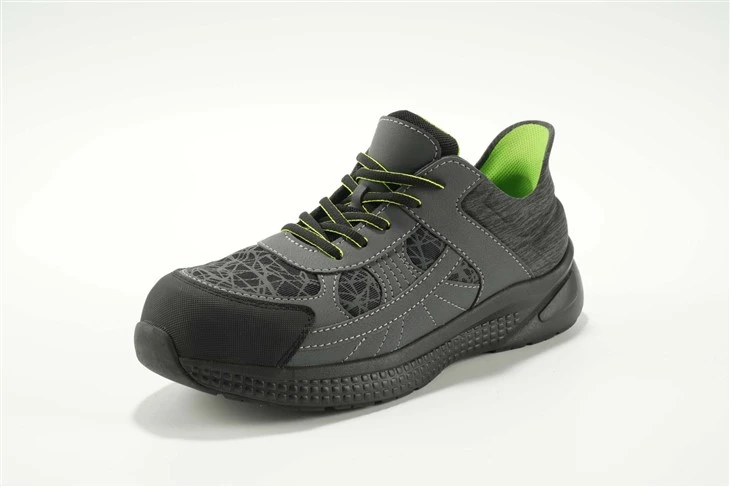
As a supplier of insulating safety shoes, we offer a wide range of products with different sole materials to meet the needs of various work environments. Our Lightweight Safety Shoes are made with a lightweight sole material that provides excellent electrical insulation and traction. These shoes are perfect for workers who need to be on their feet for long periods of time.
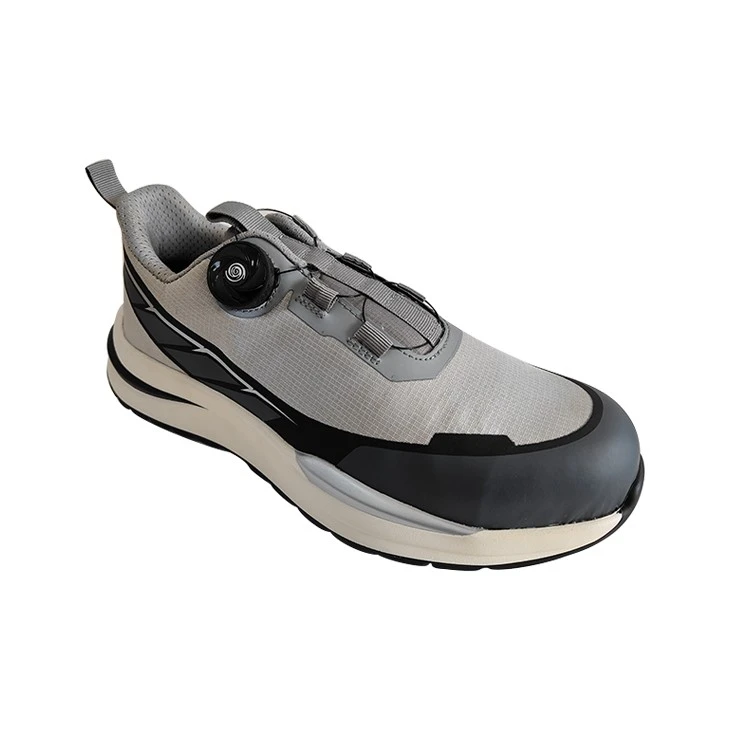
Our BOA Sports Safety Shoes feature a unique BOA lacing system that allows for quick and easy adjustment. The soles of these shoes are made from a high-quality rubber compound that offers excellent traction and durability.
For those who need a more advanced safety shoe, we offer the BOA Quick-Adjust Lightweight Safety Shoes. These shoes are made with a lightweight sole material that provides excellent electrical insulation and traction. The BOA lacing system allows for precise adjustment, ensuring a comfortable and secure fit.
Contact Us for Purchasing Inquiries
If you are interested in purchasing insulating safety shoes for your workplace, we would be happy to assist you. Our team of experts can help you choose the right shoes based on your specific needs and requirements. We offer competitive pricing, excellent customer service, and fast delivery.
Contact us today to start a conversation about your safety shoe needs. We look forward to working with you to ensure the safety and well-being of your workers.
References
- ASTM International. (2018). ASTM F2413 - 18 Standard Specification for Performance Requirements for Protective Toe Footwear.
- European Committee for Standardization. (2019). EN 50321 - 1:2019 Insulating footwear - Requirements and tests - Part 1: General requirements for footwear.
- The Safety Shoes Association. (2020). The Importance of Sole Material in Safety Shoes.