

Hey there! As a supplier of Insulating Safety Shoes, I often get asked about the electrical conductivity of these shoes. So, I thought I'd take a few minutes to break it down for you.
First things first, let's talk about what insulating safety shoes are. These shoes are designed to protect the wearer from electrical hazards. They're commonly used in industries where workers are exposed to live electrical circuits, like construction, electrical maintenance, and power generation. The main function of these shoes is to prevent electric current from passing through the body to the ground, which can cause serious injury or even death.
Now, when we talk about the electrical conductivity of insulating safety shoes, we're actually referring to their ability to resist the flow of electric current. This is measured in terms of electrical resistance, and the higher the resistance, the better the insulation.
Most insulating safety shoes are required to meet certain standards set by organizations like the American Society for Testing and Materials (ASTM) and the International Electrotechnical Commission (IEC). For example, according to ASTM F2413 - 18, insulating shoes should have a minimum electrical resistance of 100,000 ohms when tested under specific conditions. This means that the shoes can effectively block the flow of electric current and protect the wearer.
But how do these shoes achieve such high resistance? Well, it all comes down to the materials used in their construction. The soles of insulating safety shoes are typically made from rubber or other insulating materials. These materials have a high resistance to electricity, which helps to prevent the flow of current. Additionally, the uppers of the shoes are often made from non - conductive materials like leather or synthetic fabrics, further enhancing the overall insulation.
Let's take a closer look at some of the factors that can affect the electrical conductivity of insulating safety shoes.
1. Material Quality
The quality of the materials used in the shoes plays a crucial role in determining their electrical conductivity. High - quality rubber soles with good insulating properties will provide better protection than lower - quality ones. For instance, some advanced rubber compounds are specifically formulated to have a very high electrical resistance, ensuring maximum safety for the wearer.
2. Wear and Tear
Over time, insulating safety shoes can experience wear and tear. This can include things like cuts, abrasions, or punctures in the soles or uppers. Any damage to the insulating materials can reduce the shoes' electrical resistance and compromise their safety. That's why it's important to regularly inspect your insulating shoes for signs of damage and replace them when necessary.
3. Environmental Conditions
The environment in which the shoes are used can also impact their electrical conductivity. For example, if the shoes get wet, the water can act as a conductor and reduce the insulation. Similarly, extreme temperatures can affect the properties of the insulating materials. In very cold conditions, the rubber soles may become more brittle, which could potentially lead to cracks and a decrease in electrical resistance.
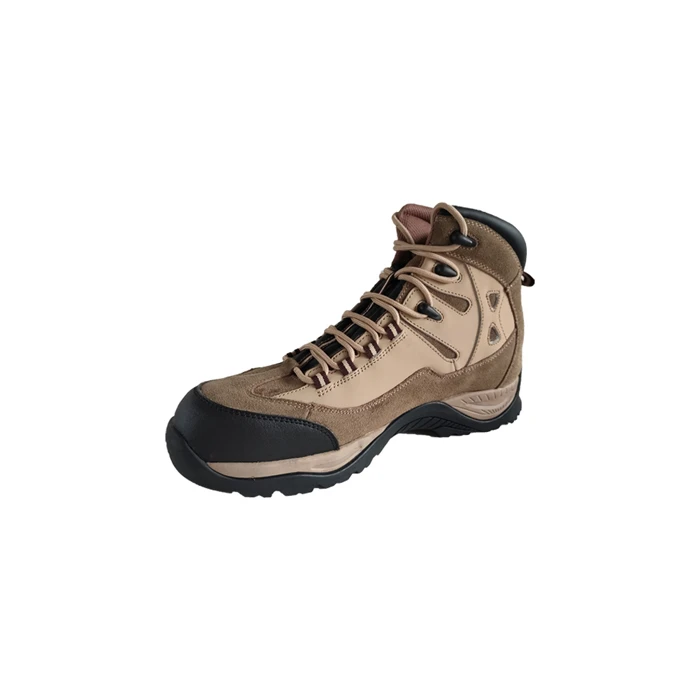

Now, as a supplier, I offer a wide range of insulating safety shoes to meet different needs. Check out our Insulated waterproof safety shoes. These shoes are not only great at insulating against electricity but also provide protection against water, making them suitable for a variety of work environments.
We also have Insulation Guard Nubuck Leather Safety Shoes. The nubuck leather uppers offer a combination of style and durability, while the insulating soles ensure top - notch electrical protection.
And for those who prefer something lighter and more colorful, our Ultra Light Colorful Safety Shoes are a great option. They provide the necessary electrical insulation without sacrificing comfort.
When it comes to choosing the right insulating safety shoes, it's important to consider your specific work requirements. Think about the type of electrical hazards you'll be exposed to, the environmental conditions, and your personal comfort preferences.
If you're in the market for insulating safety shoes, I'd love to help you find the perfect pair. Whether you're a small business looking to outfit your workers or an individual in need of reliable protection, I can provide you with high - quality products at competitive prices. Don't hesitate to reach out and start a conversation about your procurement needs. We can discuss the details, answer any questions you may have, and work together to ensure you get the best insulating safety shoes for your situation.
In conclusion, understanding the electrical conductivity of insulating safety shoes is essential for ensuring the safety of workers in electrical - hazard environments. By choosing high - quality shoes, properly maintaining them, and considering the environmental factors, you can significantly reduce the risk of electrical accidents.
References
- ASTM F2413 - 18 Standard Specification for Performance Requirements for Protective Footwear
- International Electrotechnical Commission (IEC) standards related to electrical safety in footwear