

When it comes to workplace safety, safety shoes are an essential piece of personal protective equipment (PPE). They are designed to protect feet from various hazards such as falling objects, sharp materials, and electrical risks. Among the different types of safety shoes available in the market, insulating safety shoes and regular safety shoes stand out as two distinct categories, each with its unique features and applications. As a supplier of insulating safety shoes, I am well - versed in the differences between these two types of footwear, and in this blog, I will share in - depth insights to help you make an informed decision for your workplace safety needs.
Construction and Materials
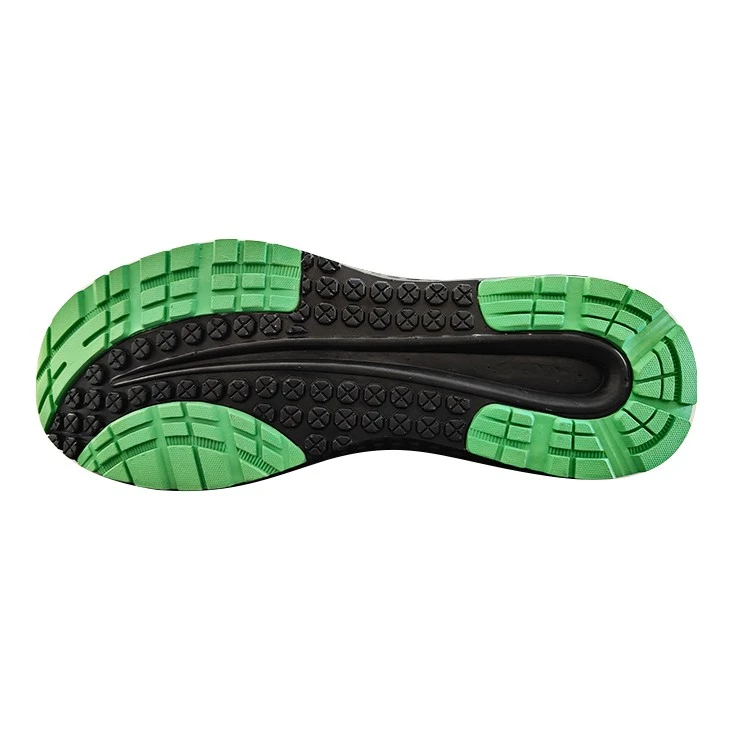
Regular safety shoes are typically built to offer general protection against mechanical hazards. They often feature a steel toe cap to guard against impact and compression from heavy objects. The upper part of the shoe can be made from materials like leather, synthetic leather, or fabric, chosen for their durability, abrasion resistance, and breathability. The outsoles are designed to provide good traction on different surfaces, reducing the risk of slips and falls. For example, rubber outsoles are common as they offer excellent grip and are resistant to wear and tear.
On the other hand, insulating safety shoes have an additional layer of insulation materials. These materials are carefully selected to prevent the flow of electricity through the shoes. Common insulating materials include special polymers and rubber compounds that have high electrical resistance. The construction of insulating safety shoes is also more rigorous to ensure the integrity of the insulation. For instance, the seams are sealed to prevent moisture ingress, which could potentially compromise the insulating properties.

Protection Against Electrical Hazards
The most significant difference between insulating safety shoes and regular safety shoes lies in their ability to protect against electrical hazards. Regular safety shoes do not have specific electrical insulation capabilities. They are mainly focused on mechanical protection, such as protecting the toes from being crushed by heavy equipment or preventing punctures from sharp objects on the ground.
Insulating safety shoes, however, are designed to provide protection in environments where there is a risk of electrical shock. They are tested and certified to meet specific electrical insulation standards. For example, in many countries, insulating safety shoes must be able to withstand a certain level of voltage without allowing electricity to pass through to the wearer. This makes them an ideal choice for workers in electrical power plants, electrical maintenance, and other jobs where they may come into contact with live electrical circuits.
Comfort and Flexibility
Comfort is an important factor when it comes to safety shoes, as workers often need to wear them for long periods. Regular safety shoes, especially those with a steel toe cap, can sometimes be heavier and less flexible compared to other types of footwear. The steel toe adds weight, which can cause fatigue over time, and the rigid structure may limit the range of motion of the foot.
Insulating safety shoes have made significant progress in terms of comfort and flexibility. Modern insulating safety shoes are designed with lightweight insulating materials, which reduce the overall weight of the shoe. They also often feature a more ergonomic design, with flexible outsoles and padded insoles to provide better support and comfort. For example, our Ultra Lightweight Non - metallic Safety Shoes S1PS are not only lightweight but also offer excellent flexibility, allowing workers to move freely while still being protected from electrical hazards.
Breathability
Breathability is crucial for preventing foot odor and keeping the feet dry and comfortable. Regular safety shoes may vary in terms of breathability depending on the materials used. Leather shoes, for example, are relatively breathable as they allow air to circulate through the pores in the leather. However, synthetic materials may not be as breathable, which can lead to sweaty feet and discomfort.
Insulating safety shoes also take breathability into account. Many insulating safety shoes are designed with breathable linings and perforated upper materials to enhance air circulation. This helps to keep the feet dry and reduces the risk of fungal infections. Our Safety Sneaker for Work is a great example of a breathable insulating safety shoe. It combines the safety features of insulating shoes with the comfort and breathability of a sneaker.
Cost
Cost is often a consideration when purchasing safety shoes. Regular safety shoes are generally more affordable compared to insulating safety shoes. The additional insulation materials and the more rigorous testing and certification processes required for insulating safety shoes contribute to their higher cost. However, it is important to note that the cost should be weighed against the level of protection provided. In environments where there is a risk of electrical shock, investing in insulating safety shoes is a necessary measure to protect the safety and well - being of workers.
Applications
Regular safety shoes are suitable for a wide range of industries where mechanical hazards are the primary concern. These include construction, manufacturing, warehousing, and logistics. Workers in these industries need protection against falling objects, sharp tools, and heavy machinery, and regular safety shoes can provide the necessary protection.
Insulating safety shoes are specifically designed for industries where electrical hazards are present. These include electrical power generation, transmission, and distribution, as well as electrical maintenance and repair work. Workers in these industries are at risk of coming into contact with live electrical circuits, and insulating safety shoes are essential to prevent electrical shock. Our Composite toe sneaker for work is a popular choice for workers in electrical industries, as it offers both electrical insulation and protection against mechanical impacts.
Conclusion
In conclusion, insulating safety shoes and regular safety shoes have distinct differences in terms of construction, protection capabilities, comfort, breathability, cost, and applications. Regular safety shoes are suitable for general mechanical protection, while insulating safety shoes are essential for environments with electrical hazards. As a supplier of insulating safety shoes, we understand the importance of providing high - quality, reliable safety footwear to protect workers.
If you are looking for the right safety shoes for your workplace, whether it's regular safety shoes or insulating safety shoes, we are here to help. We offer a wide range of safety shoes that meet the highest safety standards and provide excellent comfort and performance. Contact us to discuss your specific requirements and start a procurement negotiation. Our team of experts will work with you to find the best safety shoe solutions for your needs.
References
- International Electrotechnical Commission (IEC). Standards for electrical safety footwear.
- Occupational Safety and Health Administration (OSHA). Guidelines for personal protective equipment, including safety shoes.
- Various manufacturers' product manuals and technical specifications for safety shoes.