

As a supplier of BOA Sports Safety Shoes, I understand how frustrating it can be when the BOA lacing system malfunctions. The BOA system is designed to provide a secure and adjustable fit, but like any mechanical component, it can encounter issues over time. In this blog post, I'll share some troubleshooting tips to help you get your BOA lacing system back in working order.
Understanding the BOA Lacing System
Before we dive into troubleshooting, let's briefly understand how the BOA lacing system works. The BOA system consists of a dial, laces, and guides. When you turn the dial clockwise, the laces tighten, providing a snug fit. Turning the dial counterclockwise loosens the laces. The system is known for its quick and easy adjustment, making it a popular choice for sports safety shoes.
Common Malfunctions and Troubleshooting Steps
1. Dial Not Turning
Possible Causes
- Debris or dirt inside the dial mechanism can prevent it from turning smoothly.
- The dial may be jammed due to over - tightening or a misaligned lace.
Troubleshooting Steps
- Clean the Dial: Use a small brush, like a toothbrush, to gently remove any dirt or debris from the dial. You can also use a can of compressed air to blow out any particles that may be stuck inside.
- Check for Misaligned Laces: Look at the path of the laces around the guides. If a lace is misaligned or caught, gently re - position it so that it runs smoothly through the guides.
- Lubricate the Dial: Apply a small amount of silicone lubricant to the dial mechanism. This can help reduce friction and make the dial turn more easily. However, be careful not to use too much lubricant, as it can attract more dirt.
2. Laces Not Tightening or Loosening Properly
Possible Causes
- The laces may be frayed or damaged, preventing them from moving freely through the guides.
- There could be a problem with the internal ratchet mechanism in the dial that controls the tightening and loosening of the laces.
Troubleshooting Steps
- Inspect the Laces: Carefully examine the laces for any signs of fraying, cuts, or damage. If you find any issues, you may need to replace the laces. Most BOA systems come with replacement laces, or you can purchase them separately.
- Test the Dial Mechanism: Try turning the dial slowly and listen for any unusual noises. If the dial seems to skip or not engage properly, it may be a sign of a problem with the ratchet mechanism. In this case, it's best to contact the manufacturer or a professional repair service.
3. Uneven Tightening
Possible Causes
- The laces may be unevenly threaded through the guides, causing one side to tighten more than the other.
- There could be a problem with the guides themselves, such as a blockage or misalignment.
Troubleshooting Steps
- Check the Lace Threading: Make sure the laces are evenly threaded through all the guides on both sides of the shoe. If necessary, remove the laces and re - thread them carefully, following the correct pattern.
- Inspect the Guides: Look for any signs of damage or blockage in the guides. Use a small tool, like a paperclip, to clear any debris that may be stuck in the guides.
4. Dial Sticking or Freezing
Possible Causes
- Exposure to moisture can cause the dial to rust or corrode, leading to sticking or freezing.
- The internal components of the dial may have worn out over time.
Troubleshooting Steps
- Dry the Dial: If the dial has been exposed to moisture, dry it thoroughly with a clean cloth. You can also use a hairdryer on a low - heat setting to speed up the drying process.
- Replace the Dial: If the dial continues to stick or freeze after cleaning and drying, it may be necessary to replace the dial. You can purchase a replacement dial from the manufacturer or an authorized dealer.
Preventive Maintenance
To avoid future malfunctions, it's important to perform regular preventive maintenance on your BOA lacing system. Here are some tips:
- Keep the System Clean: After each use, wipe down the dial and laces with a clean, dry cloth to remove any dirt or debris.
- Avoid Excessive Moisture: Try to keep your shoes dry, especially the BOA lacing system. If your shoes get wet, dry them thoroughly as soon as possible.
- Inspect Regularly: Periodically check the laces, dial, and guides for any signs of wear or damage. Replace any worn or damaged components promptly.
Related Products
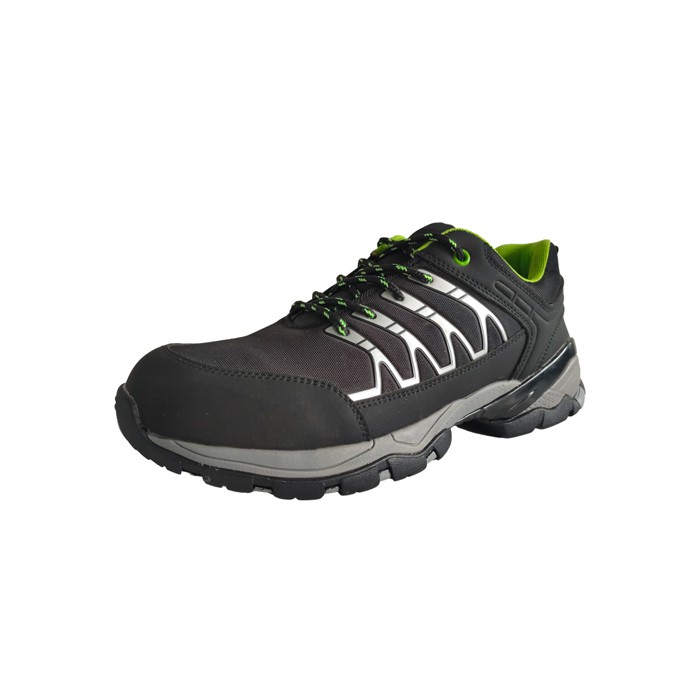
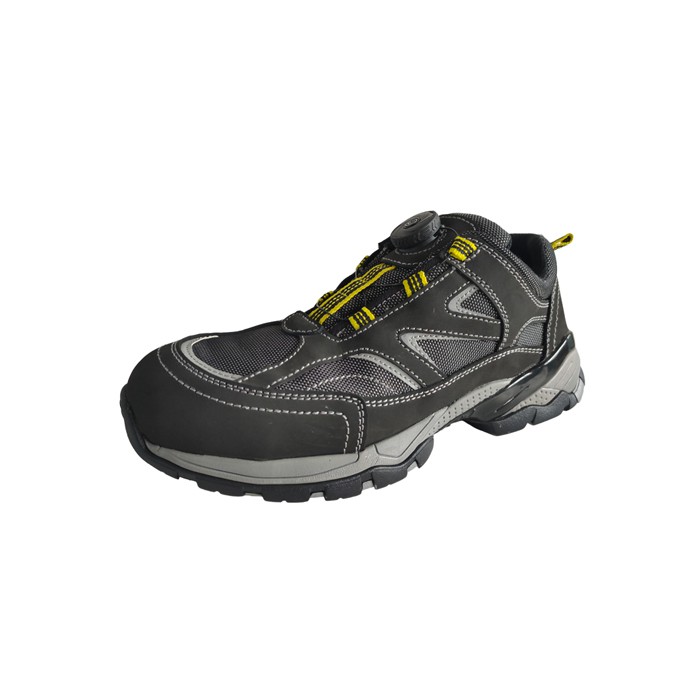
If you're in the market for new safety shoes, we offer a range of high - quality products. Check out our Water Resistance Hiking Boots for excellent water protection during your outdoor adventures. Our Composite Toe Hiking Shoes S1PS SR provide superior toe protection without sacrificing comfort. And of course, our BOA Sports Safety Shoes feature the innovative BOA lacing system for a secure and adjustable fit.
Contact for Purchase and Negotiation
If you're interested in purchasing our BOA Sports Safety Shoes or have any questions about our products, we welcome you to contact us for further discussion. We are committed to providing high - quality products and excellent customer service. Whether you're a retailer looking to stock our products or an individual in need of safety shoes, we're here to assist you.
References
- BOA Technology Inc. Product Manuals
- Industry standards for safety shoe lacing systems