

As a supplier of Army Combat Boots, I understand the crucial role that proper fit plays in the performance, comfort, and safety of those who wear them. Whether you're a military personnel, law enforcement officer, or an outdoor enthusiast, having boots that fit correctly can make all the difference in your daily activities. In this blog post, I'll share some key insights on how to determine if Army Combat Boots fit properly.
Measuring Your Feet
The first step in finding the right fit is to accurately measure your feet. Feet can change in size and shape over time, so it's important to measure them regularly, especially if you haven't bought new boots in a while. You can use a Brannock Device, which is a standard foot - measuring tool found in many shoe stores.
To measure your feet:

- Stand up straight with your weight evenly distributed on both feet. This simulates the way your feet expand when you're walking or standing for long periods.
- Place your foot on the Brannock Device. Make sure your heel is against the back of the device.
- Read the length and width measurements. Note that your feet may not be the same size, so measure both and use the larger measurement when selecting boots.
Understanding Boot Sizing
Army Combat Boots typically come in standard shoe sizes, but there can be variations between different brands and styles. Some boots may run larger or smaller than the indicated size. It's also important to consider the width of the boot. Boots are usually available in different widths, such as narrow (B), medium (D), wide (EE), and extra - wide (EEE).

When choosing a boot size, it's a good idea to try on boots at the end of the day. Your feet tend to swell during the day, and trying on boots when your feet are at their largest will ensure a more comfortable fit throughout the day.
Assessing the Fit in the Store
When you're trying on Army Combat Boots in the store, there are several key areas to pay attention to:
Toe Box
- Space: There should be about a half - inch of space between the tip of your longest toe and the end of the boot. You can check this by pressing your finger down at the end of the boot. If your finger fits comfortably, there's enough space. A too - tight toe box can cause blisters, calluses, and even toenail problems over time.
- Width: The toe box should be wide enough to allow your toes to spread naturally. You should be able to wiggle your toes freely without feeling constricted.
Heel
- Stability: The heel should fit snugly but not too tightly. When you walk, your heel should not slip up and down inside the boot. A loose heel can cause blisters and make it difficult to walk or run efficiently. You can test the heel fit by lifting your foot slightly while wearing the boot. If the heel stays in place, it's a good sign.
- Padding: Adequate padding around the heel area can enhance comfort. Look for boots with cushioned collars that provide support and prevent chafing.
Arch
- Support: The arch of the boot should match the arch of your foot. If you have high arches, look for boots with extra arch support. If you have flat feet, you may need boots with a more flexible sole. When you stand in the boots, your feet should feel supported from the arch to the heel.
Shaft Height
- Proper Coverage: The shaft height of Army Combat Boots can vary. For most military and tactical applications, the shaft should reach at least above the ankle to provide support and protection. Make sure the shaft doesn't rub against your ankle or calf. It should fit smoothly and comfortably around your leg.
Trying Out Different Styles
As a supplier, I offer a variety of Army Combat Boot styles, each with its own unique features and fit characteristics. For example, the 4'' Military Officer Boots are designed with a shorter shaft, which may be more suitable for those who prefer a lower - cut boot. These boots are often used in more formal military settings or for officers on light - duty assignments.
The Lightweight Police Boots are engineered for maximum comfort and mobility. They are typically lighter in weight, which can be beneficial for law enforcement officers who are on their feet for long hours. The fit of these boots is optimized to provide support without sacrificing agility.
The Coyote Tactical Boots are a popular choice for outdoor enthusiasts and military personnel in field operations. They are designed to withstand rough terrain and harsh conditions. These boots often have a more rugged construction and a slightly larger fit to accommodate thick socks and allow for some expansion during long - distance hikes.
Testing the Boots in Action
Once you've found a pair of boots that seem to fit well in the store, it's important to test them out in real - world conditions. Walk around the store for a few minutes, take a few steps up and down the stairs if possible. Pay attention to how the boots feel as you move. Do they rub against your feet? Do they provide enough support when you bend your feet?
If possible, wear the boots for a short period at home before using them for extended periods. This will give you a better idea of how they will perform over time. You can also wear the same type of socks that you plan to wear with the boots when testing them.
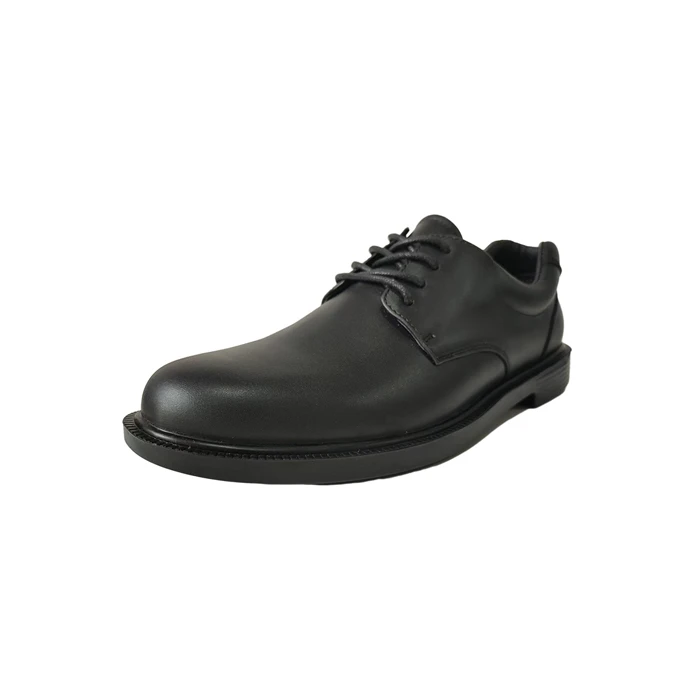
Breaking In the Boots
Even if the boots fit perfectly right out of the box, they may still need to be broken in. Breaking in the boots helps to mold them to the shape of your feet and reduces the risk of blisters and discomfort. Start by wearing the boots for short periods, gradually increasing the amount of time you wear them each day.
You can also use a leather conditioner or boot oil to soften the leather and make it more flexible. Follow the manufacturer's instructions for the best results.

When to Seek a Different Fit
If you experience any of the following issues, it may be a sign that the boots don't fit properly:
- Blisters or Calluses: These are often caused by friction between the boot and your foot. If you develop blisters or calluses in the same area after wearing the boots for a short period, the fit is likely incorrect.
- Numbness or Tingling: This can indicate that the boots are too tight and are cutting off circulation. If you feel numbness or tingling in your feet or toes, take off the boots immediately and re - evaluate the fit.
- Pain in the Arch or Heel: Persistent pain in the arch or heel area may mean that the boots don't provide enough support or that the arch and heel fit is off.
Conclusion
Finding the right fit for Army Combat Boots is essential for comfort, performance, and safety. By following the steps outlined in this blog post, you can ensure that you select boots that fit your feet properly. Remember, if you have any questions or need further assistance in choosing the right boots, don't hesitate to contact us. We're here to help you find the perfect pair of Army Combat Boots for your needs. Whether you're a military professional, law enforcement officer, or an outdoor adventurer, we have a wide range of high - quality boots to choose from. Contact us today to start the procurement process and find the boots that are right for you.
References
- "Footwear Fit and Sizing Guide" by the American Podiatric Medical Association
- "Military Boot Buying Guide" by various military supply catalogs