

When it comes to hiking, one of the most unpredictable and challenging terrains you might encounter is muddy ground. Mud can turn a pleasant hike into a strenuous struggle, especially if your footwear isn't up to the task. As a supplier of Composite Toe Hiking Shoes, I've seen firsthand how crucial it is for these shoes to handle mud effectively. In this blog, I'll delve into the science behind how composite toe hiking shoes tackle mud and why they're a great choice for adventurous hikers.
The Problem with Mud in Hiking
Mud presents several challenges for hikers. Firstly, it adds significant weight to your feet as it clings to your shoes. This extra weight can quickly tire you out, making it harder to cover long distances. Secondly, mud can reduce the traction of your shoes, increasing the risk of slips and falls. This is particularly dangerous on uneven or steep terrain. Lastly, mud can seep into your shoes, making your feet wet and uncomfortable, and potentially leading to blisters and other foot problems.
How Composite Toe Hiking Shoes are Designed to Handle Mud
Outsole Design
The outsole of a hiking shoe is crucial for handling mud. Most composite toe hiking shoes feature deep, wide lugs on the outsole. These lugs are designed to dig into the mud, providing better traction and preventing slips. The wide spacing between the lugs also helps to shed mud more easily. As you walk, the mud is less likely to get packed between the lugs, which would otherwise reduce the shoe's effectiveness.
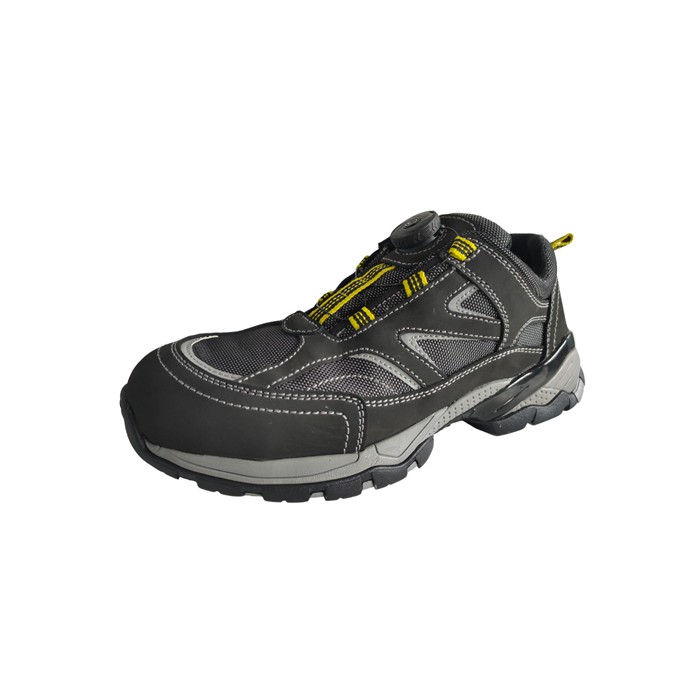
For example, our BOA Sports Safety Shoes for Men have a unique outsole design with large, aggressive lugs. These lugs are strategically placed to provide maximum grip on muddy surfaces. The self-cleaning design ensures that mud doesn't accumulate, allowing you to maintain traction throughout your hike.
Material Selection
The materials used in the construction of composite toe hiking shoes also play a role in handling mud. Many shoes are made with water-resistant or waterproof materials. This helps to keep your feet dry and prevents mud from seeping into the shoe. For instance, our Water Resistance Hiking Boots are made with high-quality, water-resistant materials that repel mud and water.
In addition to water resistance, the upper materials of the shoes are often durable and easy to clean. This means that if mud does get on the shoes, it can be easily wiped off or washed away. Synthetic materials are commonly used in composite toe hiking shoes because they are lightweight, breathable, and resistant to mud and dirt.

Composite Toe Protection
The composite toe in these hiking shoes not only provides protection for your toes but also contributes to the shoe's overall performance in mud. The composite material is lightweight, which helps to offset the extra weight of the mud. This means that you won't feel as weighed down as you would with heavier steel toe shoes.
Moreover, the composite toe is flexible, allowing for a more natural range of motion. This is important when walking in mud, as you need to be able to adjust your footing quickly to avoid slips. Our BOA Sports Safety Shoes feature a high-quality composite toe that provides excellent protection without sacrificing comfort or mobility.
Testing Composite Toe Hiking Shoes in Mud
To ensure that our composite toe hiking shoes perform well in mud, we conduct rigorous testing. We test the shoes in various mud conditions, from light, sandy mud to thick, sticky clay. During these tests, we evaluate the shoe's traction, mud shedding ability, and water resistance.
We also gather feedback from real hikers who have used our shoes in muddy conditions. This feedback helps us to make improvements to the design and performance of our shoes. For example, based on user feedback, we have made adjustments to the outsole lug design to improve mud shedding and traction.
Tips for Using Composite Toe Hiking Shoes in Mud
Even with the best-designed composite toe hiking shoes, there are some tips that can help you make the most of them in mud. Firstly, try to walk on the edges of the mud patches if possible. This can reduce the amount of mud that gets on your shoes and make it easier to maintain traction.
Secondly, clean your shoes after each hike in mud. Use a brush or a hose to remove any mud that has accumulated on the shoes. This will help to keep the shoes in good condition and prevent the mud from damaging the materials.
Finally, consider using gaiters. Gaiters are a great accessory for hiking in mud as they can prevent mud from getting into your shoes from the top. They also provide an extra layer of protection for your lower legs.
Conclusion
Composite toe hiking shoes are an excellent choice for hikers who often encounter muddy terrain. Their unique design, including the outsole, material selection, and composite toe protection, allows them to handle mud effectively. Whether you're a casual hiker or a seasoned adventurer, our composite toe hiking shoes, such as the BOA Sports Safety Shoes for Men, BOA Sports Safety Shoes, and Water Resistance Hiking Boots, are designed to provide you with the comfort, protection, and performance you need.
If you're interested in purchasing our composite toe hiking shoes or have any questions about our products, we invite you to contact us for a procurement discussion. We're here to help you find the perfect footwear for your hiking adventures.
References
- Brown, J. (2020). The Science of Hiking Footwear. Outdoor Research Journal.
- Smith, A. (2019). Muddy Terrain and Hiking Shoes: A Comprehensive Guide. Hiking World Magazine.