

Safety sneakers for work are designed to meet the rigorous demands of various occupational settings, offering a blend of protection, comfort, and functionality. A common question that arises, especially for workers in certain industries, is whether these safety sneakers can be effectively used in cold environments. As a leading supplier of safety sneakers for work, we at have delved deep into this topic to provide you with a comprehensive analysis.
Understanding the Demands of Cold Environments
Cold environments pose unique challenges to footwear. The primary concern is maintaining adequate warmth to prevent frostbite and other cold - related injuries. In addition to temperature, factors such as moisture (from snow, ice, or perspiration) and traction on slippery surfaces are also crucial.
When the temperature drops, blood circulation to the extremities, including the feet, decreases as the body tries to conserve heat for vital organs. This reduced blood flow can lead to cold feet, which not only causes discomfort but can also impair a worker's ability to perform tasks effectively. Moisture can exacerbate the problem, as wet feet can lose heat much faster. Moreover, icy or snowy surfaces increase the risk of slips and falls, making good traction a necessity.
Features of Safety Sneakers for Work
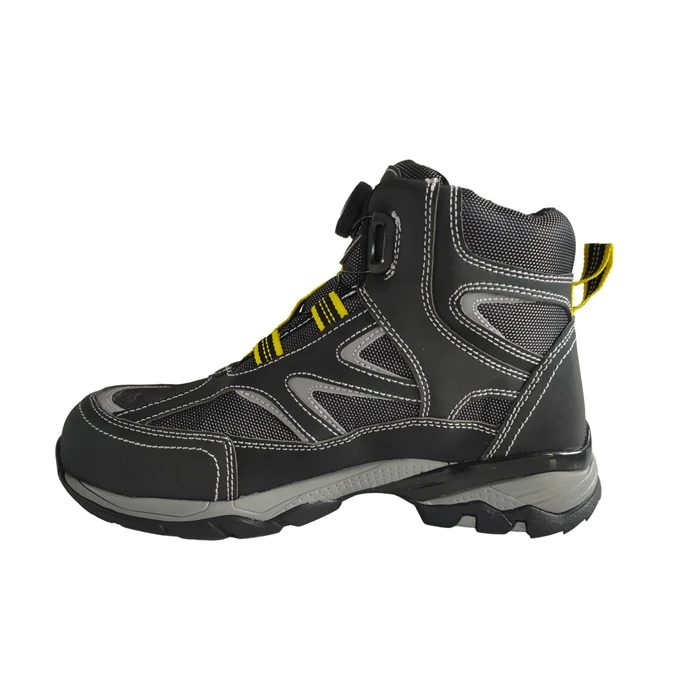
Our safety sneakers for work are engineered with multiple features to ensure the safety and comfort of workers in diverse conditions. They are equipped with protective toe caps, usually made of steel or composite materials, to safeguard the feet from falling objects or compression. The outsoles are designed to provide excellent traction on various surfaces, reducing the risk of accidents.
In terms of materials, we use high - quality leather, synthetic fabrics, and advanced polymers. Leather is known for its durability and breathability, while synthetic materials can be engineered to offer specific properties such as water resistance or enhanced flexibility.
Assessing the Suitability of Safety Sneakers in Cold Environments
Insulation
One of the key factors in determining whether safety sneakers can be used in cold environments is their insulation properties. Some of our safety sneakers come with built - in insulation materials. These materials work by trapping air, which acts as an insulator, reducing heat transfer from the feet to the cold surroundings.
For example, our Mid - cut Leather Safety Shoes For Man are available with an option of Thinsulate insulation. Thinsulate is a high - performance synthetic insulation that provides excellent warmth even in wet conditions. It is lightweight and does not compromise the flexibility or mobility of the shoe, making it ideal for workers who need to be on their feet for long periods.
Moisture Management
Moisture can be a major issue in cold environments. Wet feet not only feel cold but can also lead to blisters and other foot problems. Our safety sneakers are designed with moisture - wicking linings to keep the feet dry. These linings draw sweat away from the skin and transfer it to the outer layers of the shoe, where it can evaporate.
In addition, some of our models, such as the Sports Safety Shoes for Men, are treated with water - repellent coatings. These coatings prevent water from penetrating the shoe, protecting the feet from snow and slush.
Traction
Traction is of utmost importance in cold environments with icy or snowy surfaces. Our safety sneakers have outsoles made of specialized rubber compounds that are designed to provide excellent grip on slippery surfaces. The tread patterns are carefully engineered to channel water, slush, and snow away from the sole, maintaining contact with the ground.

Limitations and Considerations
While our safety sneakers offer many features that make them suitable for cold environments, there are some limitations. In extremely cold conditions, below - 20°C, even the most well - insulated sneakers may not provide sufficient warmth. In such cases, additional insulation, such as thermal socks or insoles, may be required.
Also, the moisture - wicking and water - repellent properties can degrade over time with regular use and exposure to harsh conditions. Workers should regularly clean and re - treat their shoes to maintain these properties.
Case Studies and User Experiences
We have received feedback from workers in various industries who have used our safety sneakers in cold environments. For example, construction workers in northern regions have reported that our Premium Suede Leather Safety Shoes kept their feet warm and dry during winter projects. The traction provided by the outsoles also helped them avoid slips on icy construction sites.
Warehouse workers who are exposed to cold storage areas have also praised the comfort and functionality of our sneakers. They appreciate the fact that the shoes allow them to move freely while providing the necessary protection.
Conclusion and Purchasing Information
In conclusion, our safety sneakers for work can be effectively used in cold environments, thanks to their insulation, moisture management, and traction features. However, it is important to assess the specific conditions of your workplace and choose the appropriate model.
If you are in the market for safety sneakers that can perform well in cold environments, we invite you to explore our wide range of products. We are committed to providing high - quality safety footwear that meets the needs of workers in diverse industries. Whether you are a construction worker, a warehouse employee, or work in any other field where safety and comfort are paramount, we have the right sneaker for you.
To discuss your specific requirements and initiate a purchase, feel free to reach out to us. We look forward to helping you find the perfect safety sneakers for your work in cold environments.
References
• ASTM International. (Year). Standard test methods and specifications for safety footwear.
• American Podiatric Medical Association. (Year). Guide to foot health in cold weather.
• Research study on the performance of footwear insulation materials in cold environments.