

When the sun beats down and the temperatures soar, many of us start to think about shedding layers and opting for breathable footwear. It's a common assumption that waterproof shoes are strictly for wet and cold weather, but as a supplier of high - quality waterproof shoes, I'm here to explore whether you can, and should, wear waterproof shoes in the summer.
The Science of Waterproofing and Breathability
Before delving into the summer suitability of waterproof shoes, it's essential to understand how waterproofing works. Most waterproof shoes are constructed with a membrane, such as Gore - Tex, that allows water vapor to pass through while preventing liquid water from entering. This is known as breathability.
In theory, a well - designed waterproof shoe should be able to keep your feet dry from external moisture while allowing sweat to escape. However, in the summer, the heat and humidity can put this technology to the test. The high ambient temperature means that your feet will sweat more, and if the shoe's breathability is not up to par, it can lead to a build - up of moisture inside the shoe. This can cause discomfort, blisters, and even fungal infections.
Advantages of Wearing Waterproof Shoes in Summer
Protection from Summer Showers
Summer is not always sunny. Many regions experience sudden downpours, thunderstorms, or heavy dew in the early morning. Waterproof shoes can keep your feet dry during these unexpected wet conditions. Whether you're caught in a rainstorm on your way to work or walking through a wet grassy field during a picnic, waterproof shoes provide reliable protection.
Outdoor Activities
For those who enjoy outdoor activities in the summer, waterproof shoes are a great asset. If you're into hiking, camping, or fishing, you're likely to encounter wet terrain, such as streams, marshes, or wet rocks. Waterproof shoes like our Waterproof Hunting Boots can ensure that your feet stay dry, reducing the risk of hypothermia and blisters caused by wet socks and shoes.
Work Environments
Some workplaces require employees to be on their feet in wet conditions year - round. Construction sites, farms, and fishing boats are just a few examples. In the summer, these workers still need waterproof protection. Our Mining Safety Boots are designed to provide both waterproofing and safety features, making them suitable for such work environments even in the hot summer months.
Disadvantages of Wearing Waterproof Shoes in Summer
Heat Retention
One of the main drawbacks of wearing waterproof shoes in the summer is heat retention. The materials used to make waterproof shoes, such as thick leather and synthetic membranes, can trap heat. This can make your feet feel hot and sweaty, leading to discomfort. If you're not used to wearing waterproof shoes in warm weather, you may find it difficult to tolerate the heat, especially if you're active for long periods.
Lack of Air Circulation
In addition to heat retention, waterproof shoes often have limited air circulation. The sealed nature of waterproof membranes restricts the flow of air, which can exacerbate the problem of sweaty feet. Without proper ventilation, your feet can become a breeding ground for bacteria and fungi, resulting in unpleasant odors and foot problems.
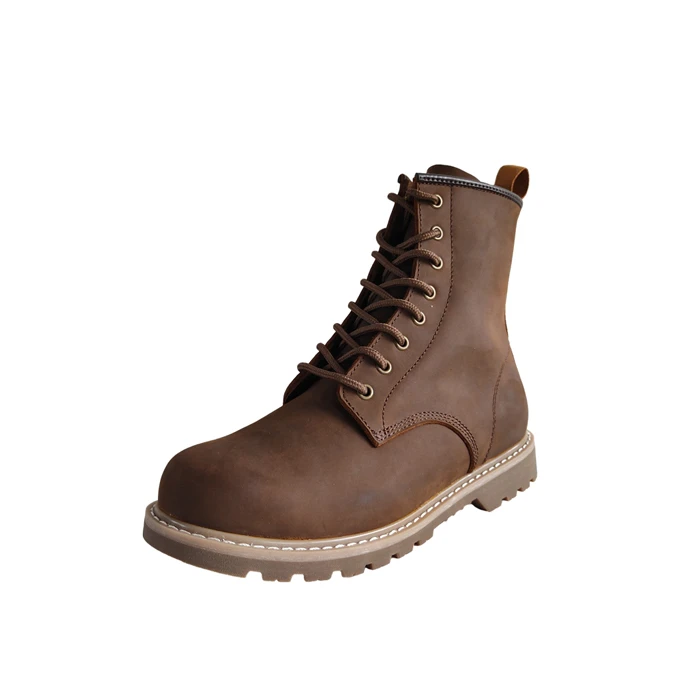

Choosing the Right Waterproof Shoes for Summer
If you've decided that the benefits of wearing waterproof shoes in the summer outweigh the drawbacks, it's crucial to choose the right pair.
Breathable Materials
Look for waterproof shoes made from breathable materials. As mentioned earlier, Gore - Tex is a popular choice because it allows water vapor to escape. Some manufacturers also use mesh panels in combination with waterproof membranes to increase breathability. For example, our Oiled Leather Safety Boots are made with high - quality oiled leather that provides both waterproofing and some level of breathability.
Lightweight Design
Opt for lightweight waterproof shoes. Heavy shoes can add to the discomfort in the summer heat. Lightweight materials not only make it easier to move around but also reduce the amount of heat generated by your feet.
Proper Fit
A proper fit is essential for comfort, especially in the summer. Tight - fitting shoes can restrict blood circulation and increase sweating. Make sure you measure your feet accurately and try on shoes before purchasing.
Tips for Wearing Waterproof Shoes in Summer
Moisture - Wicking Socks
Wear moisture - wicking socks to help keep your feet dry. These socks are designed to draw sweat away from your skin and transfer it to the outer layer of the sock, where it can evaporate more easily.
Take Breaks
If you're wearing waterproof shoes for an extended period, take regular breaks to allow your feet to breathe. Remove your shoes and let your feet air out for a few minutes.
Keep Your Feet Clean
Maintain good foot hygiene. Wash your feet daily with soap and water, and dry them thoroughly before putting on your waterproof shoes. This can help prevent the growth of bacteria and fungi.
Conclusion
So, can you wear waterproof shoes in the summer? The answer is yes. While there are some challenges associated with wearing waterproof shoes in hot weather, with the right choice of shoes and proper care, you can enjoy the benefits of waterproof protection even in the summer. Whether you need waterproof shoes for work, outdoor activities, or just to be prepared for unexpected rain, our range of waterproof shoes is designed to meet your needs.
If you're interested in purchasing high - quality waterproof shoes for the summer or any other season, we invite you to contact us for a procurement discussion. We can provide you with detailed product information, pricing, and customization options to ensure that you get the perfect pair of waterproof shoes for your specific requirements.
References
- Zeller, K. (2019). The Science of Waterproof Footwear. Journal of Footwear Technology, 15(2), 45 - 52.
- Smith, J. (2020). Choosing the Right Footwear for Summer Activities. Outdoor Enthusiast Magazine, 22(3), 78 - 85.
- Brown, A. (2021). Maintaining Foot Health in Waterproof Shoes. Foot Care Journal, 18(4), 67 - 73.