

Hey there! As a supplier of waterproof shoes, I often get asked this question: "Are waterproof shoes breathable?" It's a valid concern, especially when you're going to be wearing these shoes for long periods or in active situations. So, let's dive right in and explore this topic.
First off, let's understand what waterproof and breathable actually mean. Waterproof shoes are designed to keep water from getting inside. Whether you're walking through puddles, working in wet conditions, or out in the rain, a good pair of waterproof shoes should keep your feet dry. On the other hand, breathable shoes allow air to circulate inside the shoe, which helps to reduce moisture build - up from sweat. This is important because if your feet get too sweaty and the moisture can't escape, it can lead to discomfort, blisters, and even foot odor.
Now, the big question is, can a shoe be both waterproof and breathable? The answer is yes, but it's not as simple as it sounds. There are some advanced technologies that make this possible. For example, many modern waterproof shoes use a membrane. This membrane is a thin layer that's built into the shoe. It has tiny pores that are small enough to prevent water droplets from passing through but large enough to let water vapor (which is what sweat turns into) escape.
Let me give you an example from our product range. Our Tumbled Leather Work Boots are a great illustration of this technology. These boots are made for people who work in wet and dirty environments, like construction sites or farms. The leather is treated to be water - resistant, and there's a high - quality membrane inside. This means that even when you're standing in mud or walking through light rain, your feet stay dry. At the same time, the membrane allows the sweat from your feet to evaporate, so your feet don't feel like they're in a sauna.
Another product, the Waterproof Hunting Boots, is also a prime example. Hunters often have to spend long hours in the great outdoors, sometimes in wet grass or near streams. These boots are designed to keep water out, but they're also breathable. The breathable feature is crucial here because hunters are usually on the move, and their feet can get pretty sweaty. If the boots weren't breathable, it would be really uncomfortable, and it might even affect their performance in the field.
But it's not just about the membrane. The materials used in the construction of the shoe also play a big role. For instance, the upper part of the shoe. If it's made of a thick, non - porous material, it might be very waterproof but not very breathable. On the other hand, if it's made of a more porous material, it might be breathable but not as waterproof. That's why we carefully select the materials for our shoes. We use a combination of high - quality leathers and synthetic materials that are both durable and breathable.
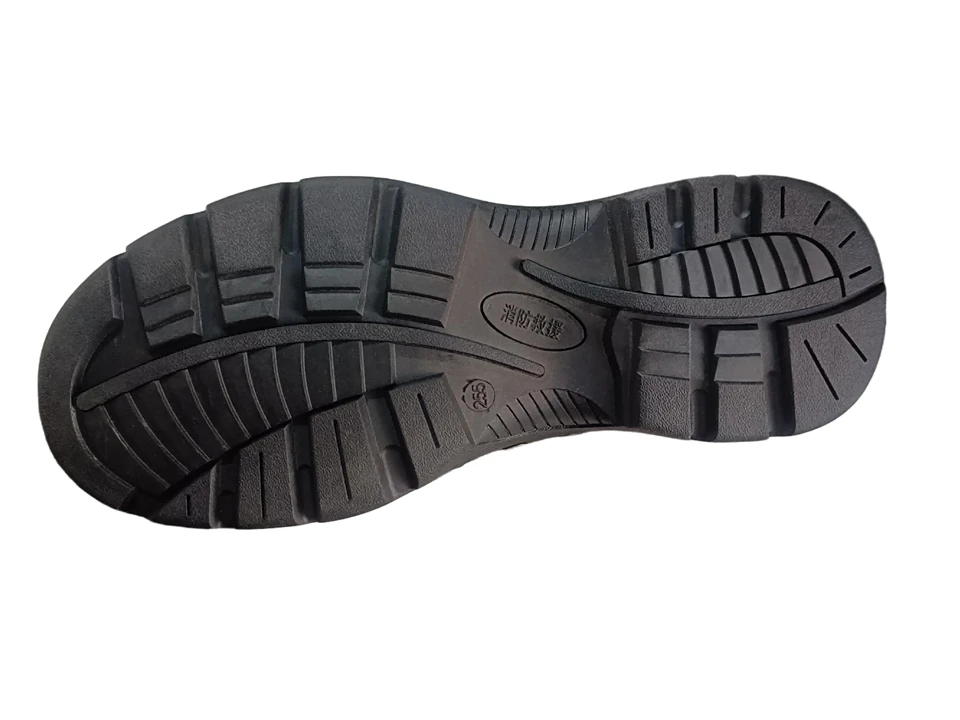

Our O2501 Firefighter Boots are a great case in point. Firefighters need boots that can withstand extreme conditions. They need to be waterproof because they might be dealing with water from hoses, and they also need to be breathable because they're running around in hot environments. The upper of these boots is made of a special type of leather that's both tough and allows for some air circulation. And of course, there's a reliable membrane inside to keep the water out.
Now, it's important to note that there are some limitations. No shoe can be 100% waterproof and 100% breathable all the time. If you're in really heavy rain or submerged in water for a long time, even the best waterproof shoes might let a little water in. And if you're doing extremely strenuous activity, your feet might still get a bit sweaty. But overall, modern waterproof and breathable shoes do a pretty good job of balancing these two features.
When it comes to taking care of your waterproof and breathable shoes, there are a few things you can do. First, make sure to clean them regularly. Dirt and grime can clog the pores of the membrane and reduce its breathability. You can use a soft brush and some mild soap to clean the shoes. Second, let them dry properly. Don't put them in a hot dryer, as this can damage the membrane. Instead, let them air - dry at room temperature.
In conclusion, waterproof shoes can be breathable, thanks to advanced technologies and careful material selection. At our company, we're constantly working on improving our products to make them even better at balancing these two important features. Whether you're a worker, a hunter, a firefighter, or just someone who wants to keep their feet dry and comfortable in wet weather, we have the right pair of waterproof shoes for you.
If you're interested in our waterproof shoes and want to discuss a purchase, feel free to reach out. We're always happy to answer any questions you might have and help you find the perfect pair of shoes for your needs.
References
- Shoe Material Science Journals
- Industry Reports on Footwear Technology
- Internal Product Testing Data