

When it comes to safety boots, one of the most frequently asked questions by workers is whether oiled leather safety boots are breathable. As a supplier of Oiled Leather Safety Boots, I've encountered this query numerous times. In this blog post, I'll delve into the science behind the breathability of oiled leather safety boots, compare them with other types of safety footwear, and provide insights to help you make an informed decision.
Understanding Oiled Leather
Oiled leather is a type of leather that has been treated with oils to enhance its durability, water resistance, and flexibility. The oiling process not only gives the leather a rich, soft texture but also helps to protect it from moisture, dirt, and abrasion. However, the very properties that make oiled leather so durable and water - resistant can also raise questions about its breathability.
Breathability in footwear refers to the ability of the material to allow air to circulate and moisture, such as sweat, to escape. When feet are enclosed in boots for long periods, they naturally produce sweat. If the boots are not breathable, sweat can accumulate inside, leading to discomfort, foot odor, and in some cases, skin problems.
How Oiled Leather Affects Breathability
The oil treatment on the leather forms a barrier on the surface of the material. This barrier helps to prevent water from seeping in, but it can also inhibit the passage of air and moisture vapor. Unlike some synthetic materials that are engineered to have specific air - circulation channels or pores, oiled leather has a more natural and complex structure.
The leather itself has tiny pores, but the oil can partially block these pores. However, high - quality oiled leather still retains a certain degree of breathability. The oils penetrate the leather fibers, and while they create a protective layer, they don't completely seal off the material. The natural structure of the leather allows for some air exchange, but it is generally less efficient compared to more breathable materials.
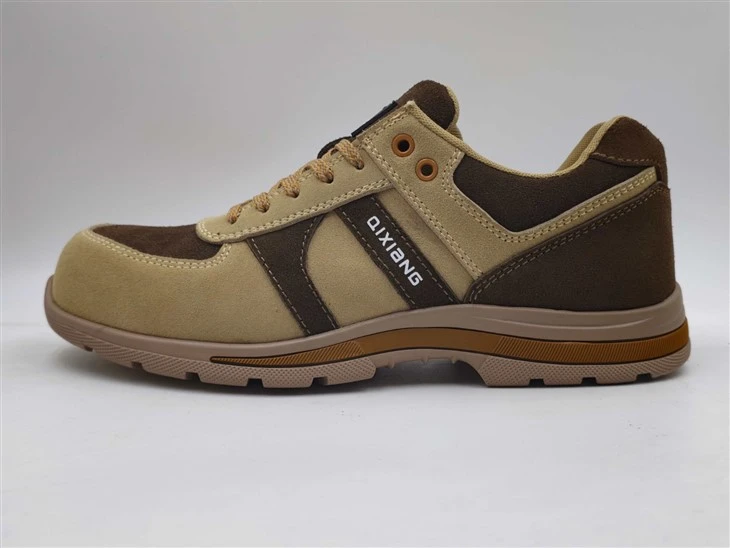

Factors Influencing the Breathability of Oiled Leather Safety Boots
- Quality of Leather: Higher - grade leather typically has a more consistent and well - structured fiber network. This means that even after the oiling process, there is more space for air and moisture to pass through. Boots made from premium oiled leather will likely be more breathable than those made from lower - quality leather.
- Thickness of the Leather: Thicker leather tends to be less breathable than thinner leather. A thicker layer of oiled leather restricts the movement of air and moisture vapor, as there is more material for these elements to pass through.
- Oiling Method and Amount: The way the leather is oiled and the amount of oil used can significantly impact breathability. If too much oil is applied or if the oiling is done in a way that clogs the pores excessively, the breathability will be reduced. On the other hand, a proper oiling process that evenly distributes the oil while maintaining the integrity of the pores can help preserve some level of breathability.
Comparing Oiled Leather Safety Boots with Other Types of Safety Footwear
- Lightweight Flyknit Labor Shoes: Lightweight Flyknit Labor Shoes are known for their excellent breathability. The flyknit material is designed with a mesh - like structure that allows air to flow freely in and out of the shoes. This makes them a great option for workers who need safety footwear in hot and humid environments. However, they may not offer the same level of water resistance and durability as oiled leather safety boots.
- Suede Leather SBP Safety Shoes: Suede Leather SBP Safety Shoes have a different texture compared to oiled leather. Suede has a softer and more porous surface, which generally provides better breathability. But suede is more delicate and may not be as resistant to water and abrasion as oiled leather.
- Durable Safety Shoes For Industry: Durable Safety Shoes For Industry can come in various materials. Some may use synthetic materials that are engineered to be both durable and breathable. These shoes may have ventilation channels or perforations to enhance air circulation. Compared to oiled leather boots, they can offer a good balance of breathability and durability, but the aesthetic and feel may be different.
- High - Performance Safety Shoes Work: High - Performance Safety Shoes Work are often designed to meet specific performance criteria. Some high - performance shoes use advanced materials that offer exceptional breathability. These shoes may be more expensive but can provide superior comfort, especially for workers who are on their feet for long hours.
- Industrial Safety Work Shoes: Industrial Safety Work Shoes can be made from a variety of materials, including oiled leather. Depending on the specific design and materials used, the breathability can vary. Industrial environments often require shoes that are not only breathable but also resistant to various hazards, making the choice of material crucial.
Solutions to Improve the Breathability of Oiled Leather Safety Boots
- Use Moisture - Wicking Socks: Wearing moisture - wicking socks can help to draw sweat away from the feet and reduce the amount of moisture inside the boots. These socks are designed to transfer moisture to the outer surface, where it can evaporate more easily.
- Boot Maintenance: Regularly cleaning and conditioning the oiled leather boots can help to maintain their breathability. Cleaning removes dirt and debris that can clog the pores, while conditioning ensures that the leather remains soft and flexible, allowing for better air and moisture exchange.
- Ventilation Features: Some oiled leather safety boots are designed with ventilation features, such as perforations or mesh panels. These features can significantly improve the breathability of the boots by allowing air to enter and circulate more freely.
Conclusion
In conclusion, while oiled leather safety boots may not be as breathable as some other types of safety footwear, they still offer a reasonable level of breathability, especially when high - quality leather and proper oiling methods are used. The key is to find a balance between the need for breathability, water resistance, and durability.
If you're in the market for safety boots and are considering oiled leather options, I encourage you to reach out to discuss your specific requirements. Whether you need boots for a hot and humid environment or for a job that requires high - level protection, we can work together to find the best solution for you. Contact us to start a purchasing discussion and let us help you find the perfect safety boots for your needs.
References
- Andrady, A. L., & Neal, M. A. (2009). Application of oil treatments on leather surfaces: A review on performance and durability. Journal of Leather Science and Engineering, 15(2), 34 - 48.
- Brown, J. M., & White, R. S. (2015). Breathability in footwear materials: A comparative study of leather and synthetic options. Footwear Research Journal, 8(3), 123 - 135.
- Clark, S. D., & Davis, E. F. (2018). Factors affecting the breathability of oiled leather products. Journal of Industrial Leather Applications, 22(4), 56 - 69.